
Research shows that music can regulate stress responses, reduce cortisol levels, and calm the nervous system when the body is stuck in fight-or-flight. It can also activate reward pathways linked to dopamine, helping people feel something again when numbness takes over. In trauma and recovery contexts, music is often described as a stabilizer, a way to organize emotion, maintain identity, and stay grounded when simply existing feels heavy. In simple terms, music can keep a person from disappearing.
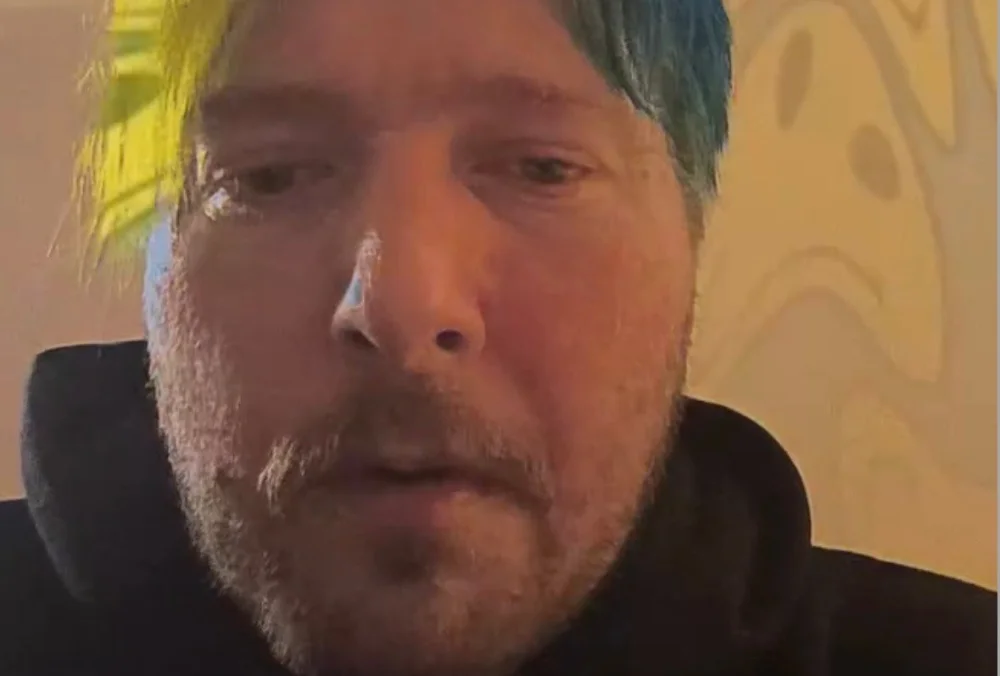
For Young Meepa, the idea lives in real life.
Originally from Dayton, Ohio, and now based on Chicago’s South Side, Young Meepa’s life has been shaped by movement, instability, and survival. After leaving school on his 16th birthday and earning his GED the same day, his life moved quickly away from structure. He lived as a traveling crust punk, riding freight trains, drifting between Detroit, Bloomington, Dayton, and Chicago, and spending time in abandoned buildings on the city’s West Side.
During that period, Meepa battled heroin and fentanyl addiction. Survival wasn’t guaranteed. Days blurred together. The future felt abstract. This is where music became more than expression. It became regulation.
Studies show that when people experience prolonged stress or trauma, the nervous system struggles to return to baseline. Music can help interrupt that cycle. Rhythm creates predictability. Sound creates focus. For Meepa, making music offered something crucial: control over at least one small part of the world.
Importantly, music also provided emotional language. Meepa’s work reflects political awareness shaped by direct exposure to systems that failed him, paired with emotional honesty.
Musically, Young Meepa operates at the intersection of crust punk, black metal, trap, drill, experimental rap, folk, and R&B. Influenced by N.W.A, Ghostemane, and City Morgue, he treats punk and hip-hop as intertwined survival languages. His releases MXTPE #1: birth and MXTPE #2: misanthropy document that evolution.