

 NEWS
NEWS
Elana Meyers Taylor captured first gold in 2026 Winter Olympics.
Feb. 24 2026, Published 9:03 p.m. ET
Article continues below advertisement
On a chilly night in Cortina d’Ampezzo, long past their bedtime, two little boys gathered near the Olympic podium to watch their mom make history. For Elana Meyers Taylor, 41, winning her first Olympic gold wasn’t just a personal triumph. It was a masterclass in resilience — and a powerful reminder that age and motherhood are not barriers to greatness.
Competing in her fifth Winter Olympics, Meyers Taylor edged Germany’s Laura Nolte by just 0.04 seconds to win gold in women’s monobob — the one medal that had eluded her. The victory made her the oldest woman to win an individual gold medal at the Winter Games and tied her with speedskating legend Bonnie Blair as the most decorated American woman in Winter Olympic history with six medals. She also extended her record as the most decorated Black woman in Winter Olympic history.
“I still can’t even put into words what this means,” Meyers Taylor said. “Having the gold medal, it’s still surreal, but it still is everything and it still is nothing. Because at the end of the day… I’m still just mom to them.”
Article continues below advertisement
The Science of Staying Power
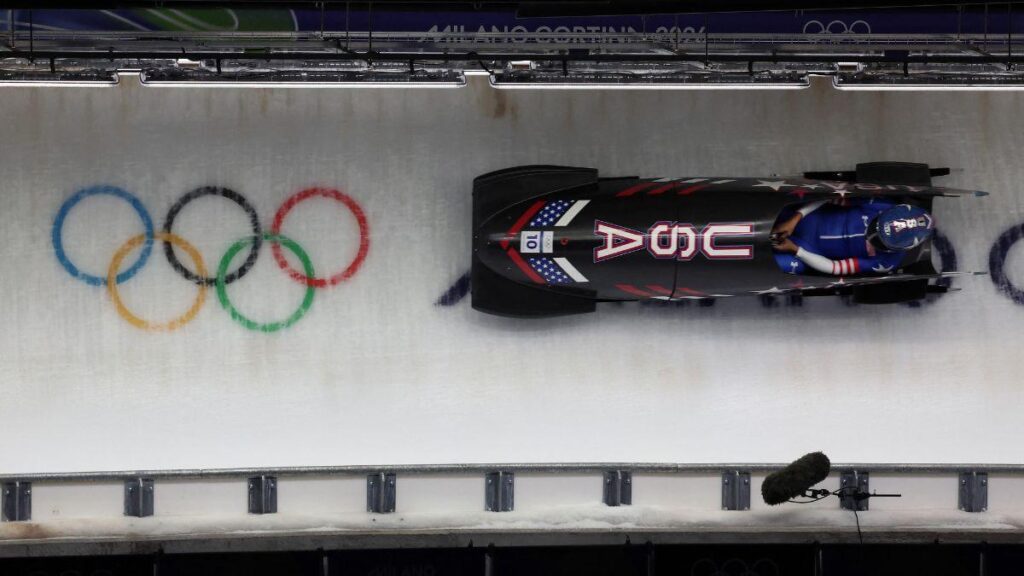
The 41-year-old gold medalist demonstrated resilience in a challenging sport.
In a sport as punishing as monobob — where athletes endure violent vibration, rapid acceleration and intense load transfer through every joint — competing at 41 is virtually unheard of. But longevity, experts say, isn’t accidental.
“In a sport like monobob, the forces going through the body are enormous — vibration, acceleration, deceleration, and load transfer through every joint,” explained Sue Hitzmann, fascia educator, manual therapist, and founder of The MELT Method. “When fascia loses its supportive qualities with age, those forces hit harder. That’s why athletes in their 40s need recovery strategies that restore fascial elasticity and shock absorption, not just muscle rest.”
Article continues below advertisement
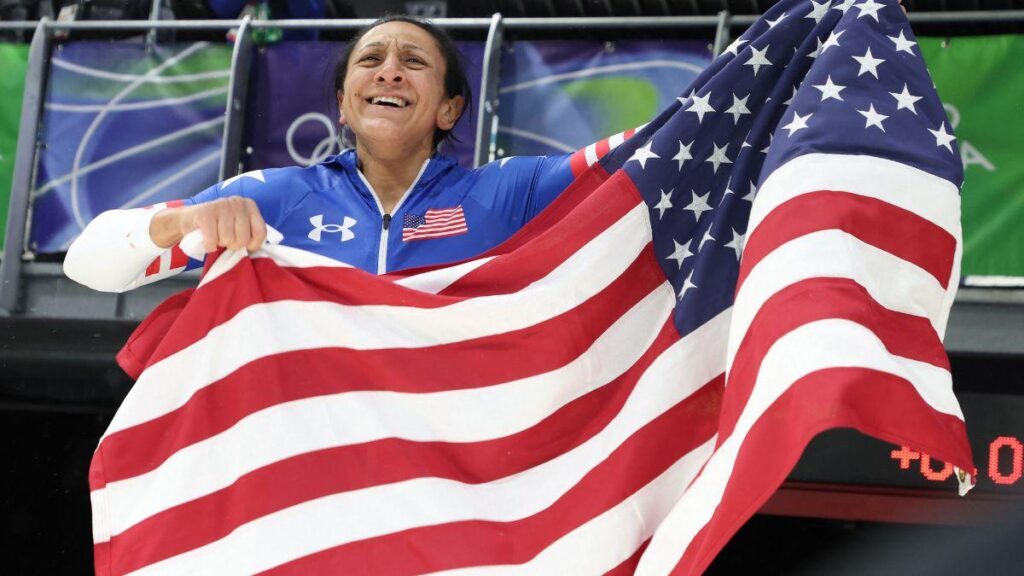
Elana Meyers Taylor balanced career and motherhood as she showed dedication both on the track and at home.
Fascia — the connective tissue system that stabilizes and supports the body — plays a critical role in resilience and recovery. And for parent-athletes like Meyers Taylor, recovery can be even more complex.
“For parent-athletes, the recovery window is smaller and the stress load is higher,” Hitzmann explains. “After pregnancy, fascia and collagen undergo major changes, and the nervous system is often running in a heightened stress state. True recovery has to address all of that — restoring fascial hydration, calming the stress response, and rebuilding intrinsic stability around the joints.”
Meyers Taylor’s sons, Nico, 5, and Noah, 3, both deaf, travel the circuit with her. Nico also has Down syndrome. Balancing elite training with motherhood — including school pickups and therapy appointments — adds another layer to her Olympic journey.
MORE ON:
winter olympics
Want OK! each day? Sign up here!
Article continues below advertisement
A Comeback She Almost Didn’t Have
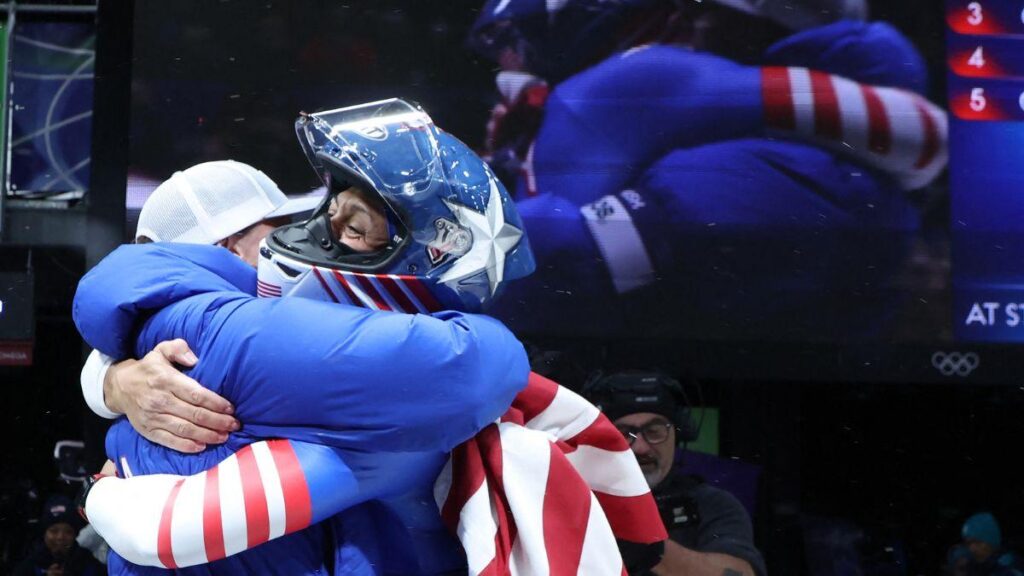
A pep talk and belief from her team encouraged Elana Meyers Taylor to push through despite being ready to retire.
Just months ago, Meyers Taylor nearly walked away from the sport. Competing in Norway in December 2025, she texted her husband that her body ached and she felt ready to retire. A pep talk — and renewed belief from her team — changed everything.
Hitzmann noted that kind of longevity isn’t about pushing harder — it’s about shifting the focus of training altogether.
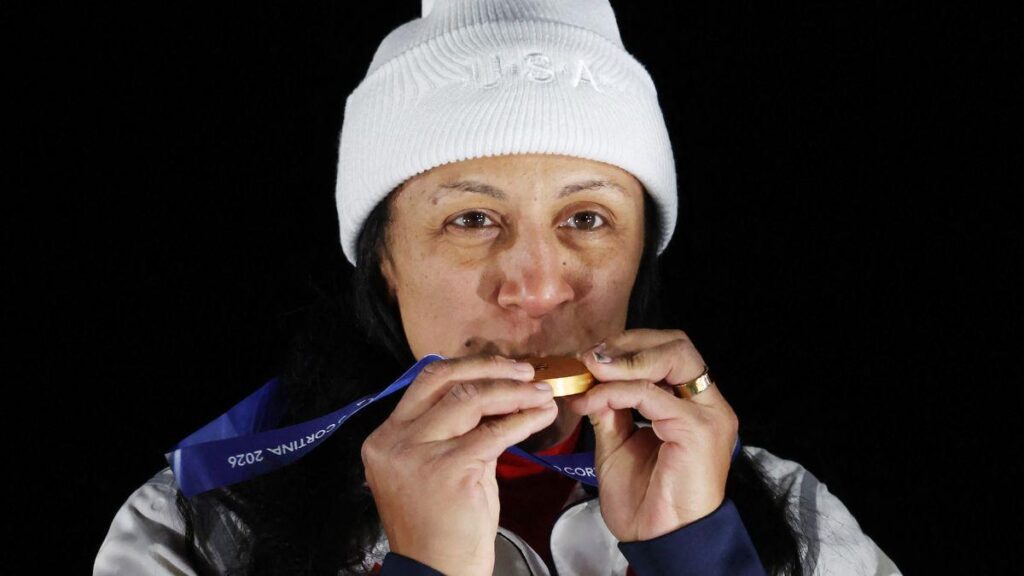
The athlete’s victory became more than a sporting achievement.
“Longevity for athletes isn’t about training harder — it’s about training smarter,” she continued. “Traditional fitness focuses on muscles and output. Longevity fitness focuses on fascia, joint stability, and nervous system regulation. That’s the difference between staying in the game at 41 or breaking down over time. Fascia is the missing link in aging well as an athlete. When you keep the fascial system hydrated and responsive, you maintain power, resilience, and the ability to recover quickly — which is exactly why athletes like Elana Meyers Taylor can continue to make history in their 40s.”
As Meyers Taylor signed “gold medal” to her sons and watched one proudly drape the medal around his own neck, her win became more than a sporting achievement. It became a blueprint — for mothers, for aging athletes, and for anyone who wonders if their moment has passed.