
The Duality of the Rap Persona
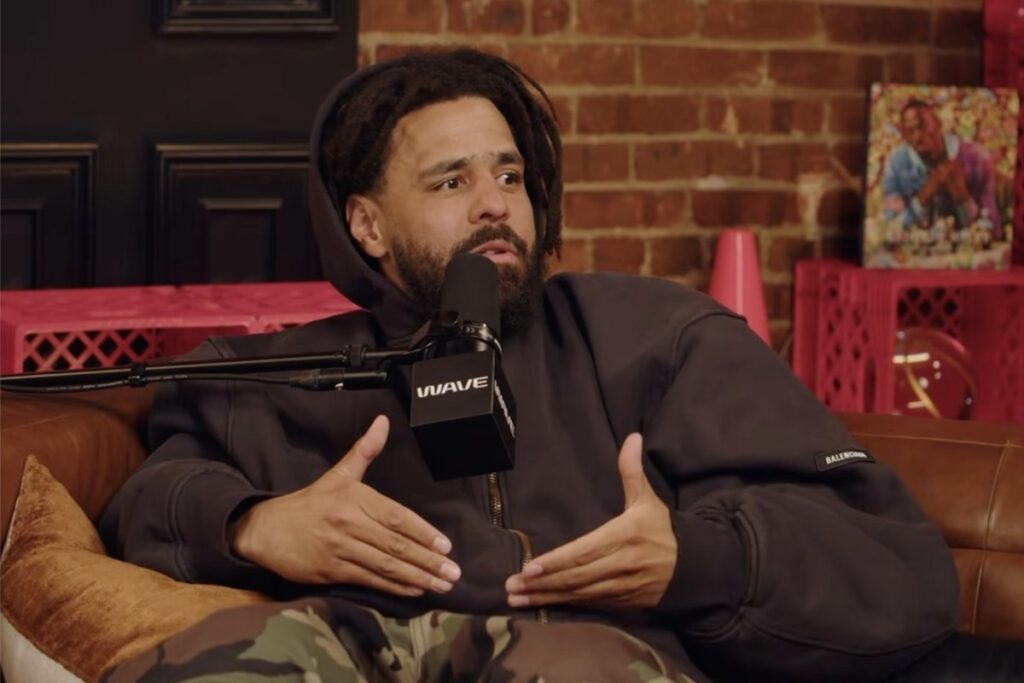
In a candid and revealing conversation on the 7PM in Brooklyn podcast, which premiered on March 27, 2026, J. Cole offered a rare glimpse into the psychological landscape of his artistry. While the North Carolina lyricist is frequently cited in debates regarding the greatest rappers of his generation, he admitted to hosts Carmelo Anthony, Monica McNutt, and Kazeem Famuyide that his public confidence is often a carefully cultivated persona rather than an internal reality.
Cole explained that the bravado found in his music—specifically the claims of being the “best rapper alive”—is a deliberate creative choice. He noted that when he enters the recording booth, he adopts a specific mindset designed to push his lyrical boundaries. “If I’m taking on a rap persona, like when I’m rapping, that’s how I like to rap,” he stated. “Sometimes I hit the mark and I say s**t and I spit a verse that really might have you believe in that s**t. But if you ask me in real life, do I walk around like I’m the best rapper alive? No, ni**a. Like I’m the best ever? No. But when I put on that muthaf***in’ cape, that’s how I try to attack s**t.”
Respect for the Craft and Peers
Despite his own massive success and critical acclaim, J. Cole remains deeply humble regarding his place in the hip-hop pantheon. He explicitly cited peers and legends whose technical prowess he respects immensely, acknowledging that the title of “best” is fluid and subjective. “Bro, it’s a ni**a named Black Thought that exists. It’s a ni**a named Lupe Fiasco that exists,” he explained. “It’s ni**as that on any given day, even my peers, a Drake or a Kendrick [Lamar] where it’s like, yo, I know on any given day I can show up to the studio and give these ni**as 80, I know they can show up on any day in the studio and give me 80, and I might only have 30.”
This admission highlights a level of self-awareness that is often missing in the hyper-competitive world of modern rap. By acknowledging that he can be outshined by his contemporaries, Cole is not diminishing his own talent, but rather expressing a profound respect for the craft of lyricism. He views the studio as a space for constant growth and challenge, where the goal is to reach a level of excellence that justifies the confidence he projects on record.
The Intersection of Art and Reality
The distinction between the artist and the man is a recurring theme in Cole’s career. He noted that fans often conflate his lyrical boasts with his personal ego, failing to realize that the “best rapper” persona is a tool for performance. “In reality, do I walk around this earth like there’s no ni**a better than me in real life? Like I can’t get in the studio with Black Thought and he just give me 90, you know what I mean? And I’m sitting there like I got 25 for you? Or any one of these amazing rappers?”
Ultimately, J. Cole’s transparency serves to humanize him in the eyes of his audience. By stripping away the myth of the untouchable rap god, he invites listeners to appreciate the work and the vulnerability that goes into his music. It is this grounded perspective that has allowed him to maintain a long and successful career, keeping him connected to the roots of the culture while continuing to evolve as an artist.
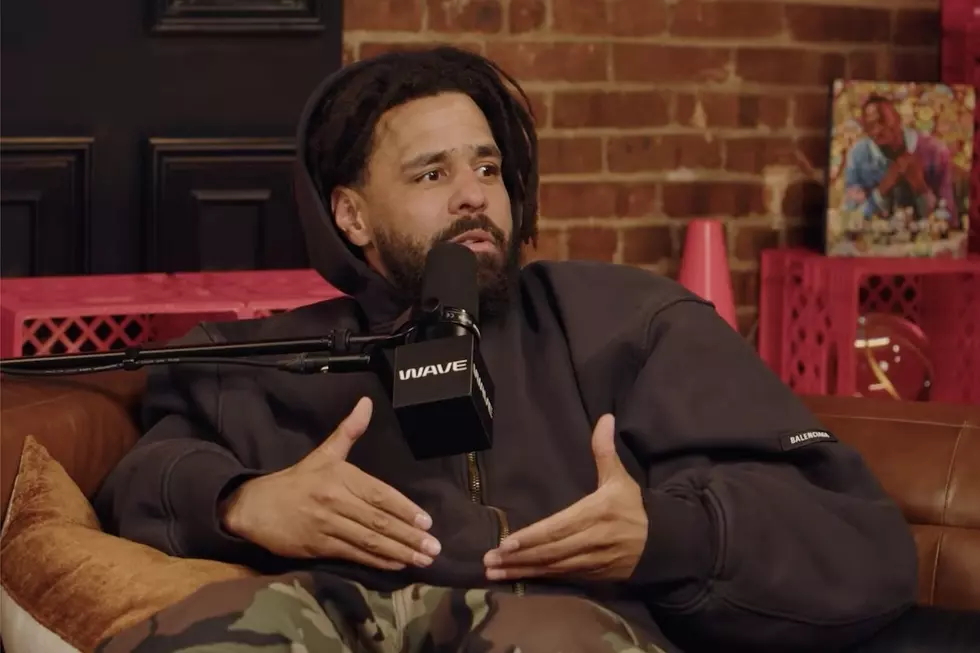
J Cole admits he be lying in his songs saying he think he’s the best
“It’s a persona & I really be having people believing that ish”
“In real life if u ask me if im the best no, I just put on that cape”
Black Thought, Kendrick Lamar, Lupe etc are better on any given day pic.twitter.com/h9SiCS8yfe
— Whooping feet (@WhoopingFeet) March 27, 2026