
 EXCLUSIVE
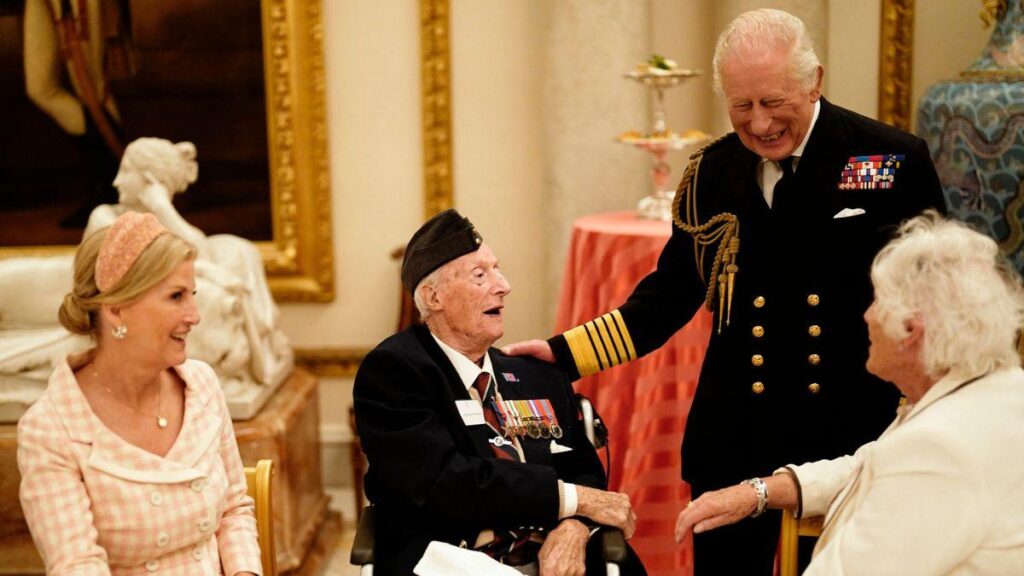
King Charles is allegedly nicknamed King ‘Scrooge’ after implementing a leftovers rule for meal time.
Feb. 7 2026, Published 5:00 a.m. ET
Article continues below advertisement
OK! can reveal King Charles is quietly redefining royal life with a mealtime rule so strict it has earned him an unflattering new nickname, as the monarch doubles down on a broader plan to make the monarchy appear leaner, less lavish and more in tune with the financial pressures facing British taxpayers.
Charles, 77, has long been associated with privilege, but those closest to him say his approach to food is almost puritanical.
According to Queen Camilla‘s son, Tom Parker-Bowles, 51, the king has little tolerance for waste and insists that leftovers are reused rather than discarded – a habit that has surprised even seasoned royal observers.
Article continues below advertisement
King Charles reportedly has a strict meal time rule.
Article continues below advertisement
The rule, while modest in practice, has come to symbolize a wider effort by Charles to strip away excess and present a monarchy grounded in restraint rather than indulgence.
The king ascended the throne in September 2022 following the death of Queen Elizabeth II, inheriting not only the crown but growing public scrutiny over the cost and relevance of the royal family during a prolonged cost-of-living crisis.
Since then, Charles has made clear his intention to scale back the institution, trimming working royals, curbing ceremonial extravagance and emphasizing social responsibility. His attitude toward food waste, insiders say, fits neatly into that vision.
Article continues below advertisement
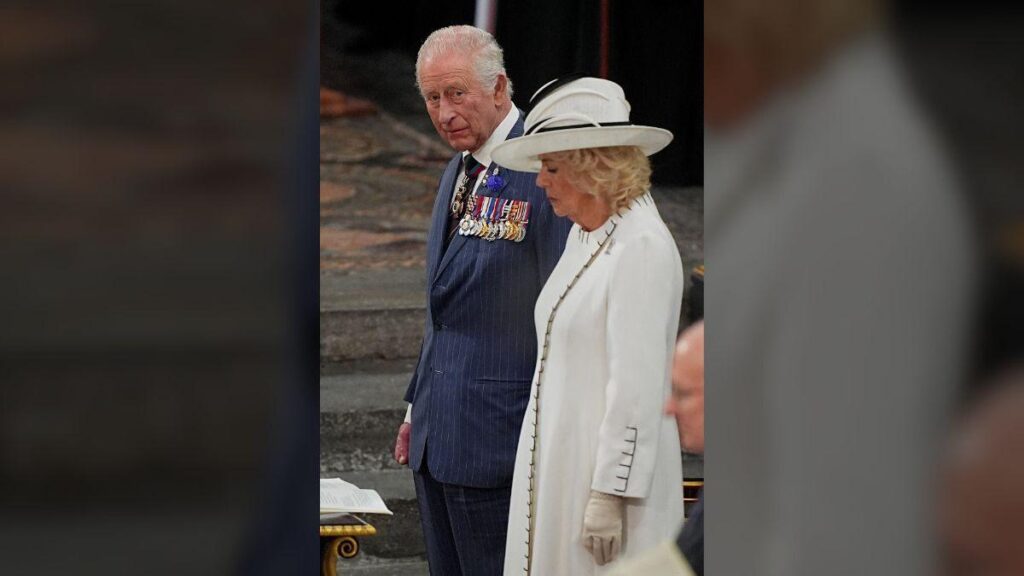
King Charles ascended the throne in September 2022.
Article continues below advertisement
Parker-Bowles offered a rare glimpse into royal dinners while speaking about his stepfather’s habits.
He said: “There is no waste, everything is recycled, everything is used from the table. If anything is leftover from the dinner, that will be made into something else or appear the next day. Nothing’s allowed to be thrown out.”
He added the rule is enforced consistently, regardless of the meal or the guests. The author and food critic rejected the idea that the policy is symbolic.
He said: “It’s not the king just paying lip service – he practices what he preaches.”
Parker-Bowles also noted Charles takes an unusually deep interest in food production, adding: “He really is a food hero. To talk to him about the strange varieties of plums or pears or anything else is endlessly fascinating.”
That interest was formalized last year with the launch of the Coronation Food Project, an initiative designed to address food insecurity and reduce waste across Britain.
Palace sources say the project reflects Charles’ belief the monarchy must be seen to contribute practical solutions rather than pageantry, particularly at a time when millions of households are struggling with rising grocery bills.
A senior royal aide said the king is acutely aware of how royal habits are perceived.
MORE ON:
Prince Charles
Want OK! each day? Sign up here!
Article continues below advertisement
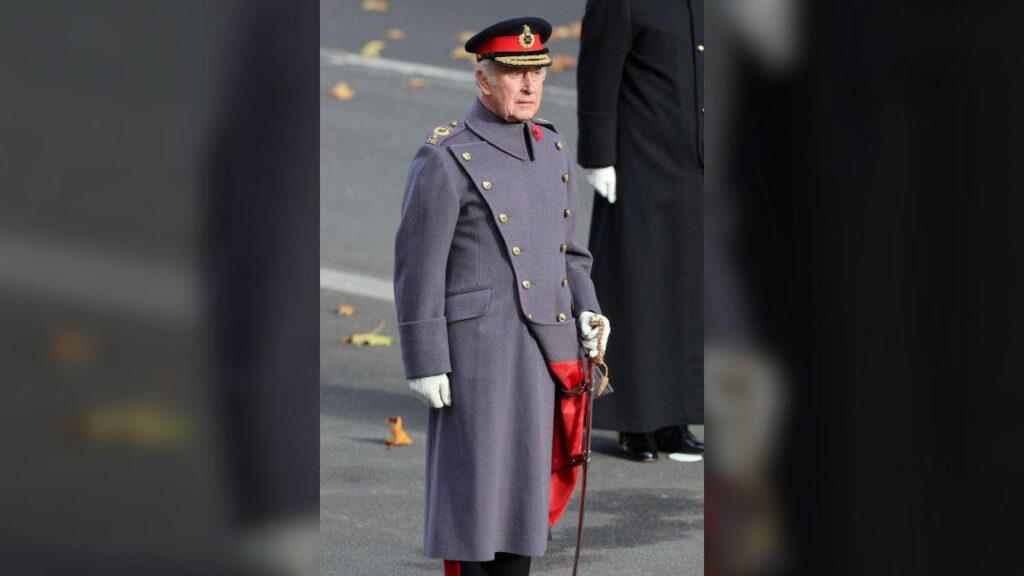
King Charles has deep interest in food production.
Article continues below advertisement
They added: “Charles understands that displays of excess can feel tone-deaf when people are counting pennies. Small things like food waste matter because they signal values.”
Another source added the king wants to model behavior he hopes others will adopt, rather than relying on grand gestures.
The frugality extends beyond leftovers. Parker-Bowles said his mother, Queen Camilla, 78, shares her husband’s enthusiasm for sourcing food directly from nature, particularly when the family is in Scotland.
He said: “They’re both very keen mycologists, and both know their mushrooms very, very well. This time of year, depending on rain, there’s ceps and chanterelles.”
Article continues below advertisement
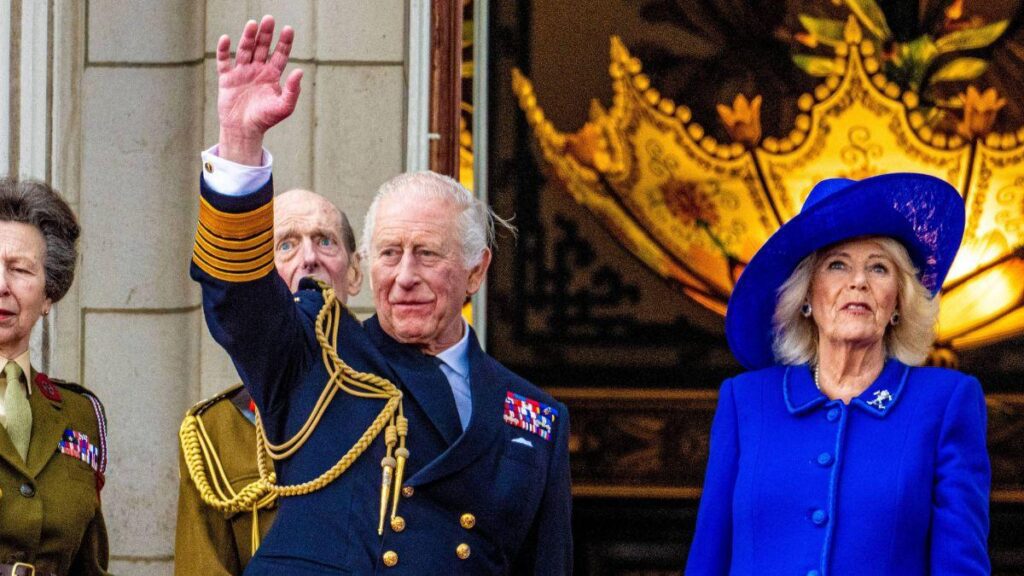
Queen Camilla shares King Charles’ interest in food production.
He added: “I go with my mother and there’s a lot of fantastic mushrooming in Scotland. It’s a shared pleasure.”
For critics, the image of a king reusing leftovers risks looking miserly – with one palace source telling us it has earned the monarch the nickname “King Scrooge.”
For supporters, it underscores a deliberate attempt by Charles to reshape a centuries-old institution into something more modest, practical and defensible in an era of economic strain.