
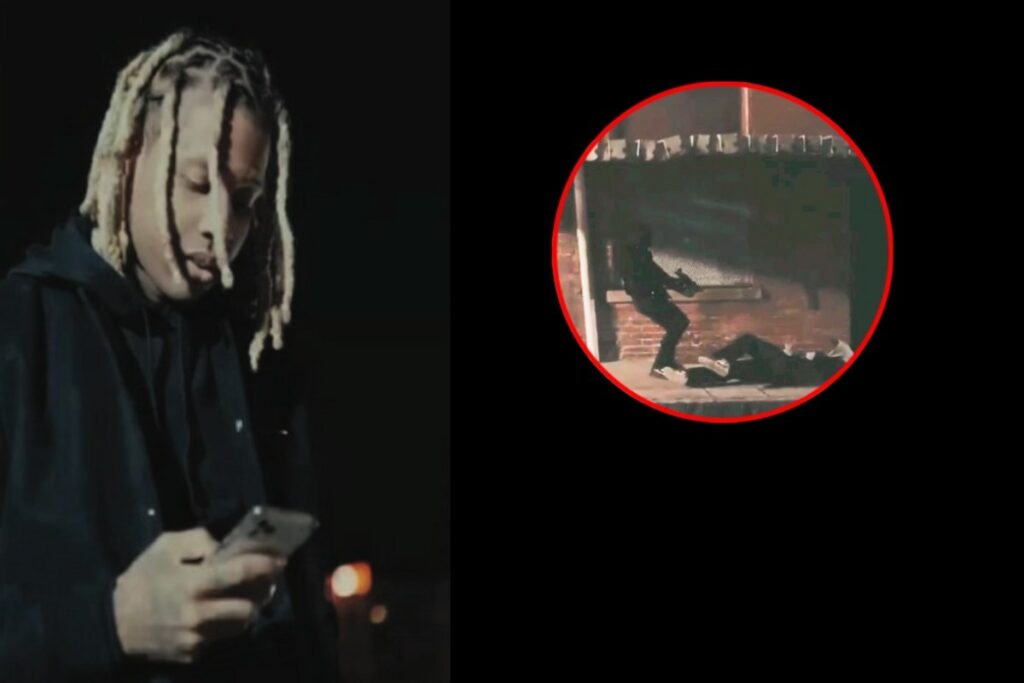
In a significant escalation of the ongoing legal battle against Chicago rapper Lil Durk, federal prosecutors have filed a third superseding indictment in the United States Court for the Central District of California. The 30-page document introduces new charges, including murder in aid of racketeering and conspiracy to commit stalking, further complicating the artist’s defense ahead of his scheduled trial on August 20.
Among the most striking pieces of evidence presented by the government are screenshots from an unreleased music video for the track “Redman.” According to the indictment, the footage depicts Lil Durk shooting and killing an individual styled to resemble Quando Rondo. Prosecutors are positioning this visual content as evidence of intent and motive, linking it to the broader allegations of a retaliatory murder-for-hire plot.
The prosecution also highlighted a specific text message attributed to the rapper, in which he allegedly wrote, “I can’t let this slide,” in direct reference to the 2020 killing of King Von. King Von was fatally shot by Timothy Leeks, an associate of Quando Rondo, in an incident that has served as the central catalyst for the subsequent violence alleged in the case.
Lil Durk’s legal team has responded to the updated indictment with a sharp rebuke, characterizing the new charges as a desperate attempt to salvage a failing case. In a statement released via social media, his representatives stated, “This indictment is lipstick on a pig. For nearly two years now, federal prosecutors have desperately tried to fend off challenges to a very weak case. Now, just two months before trial—a trial that Durk Banks has demanded at every turn—they pull this pathetic pivot, recycling old accusations into a scrambling prosecutor’s back-up plan.”
The defense maintains that the charges are an acknowledgment of weakness rather than a sign of strength, asserting that the rapper remains innocent of the allegations. Lil Durk, along with five other co-defendants, has entered a plea of not guilty. As the August trial date approaches, the inclusion of artistic expression—specifically music videos and lyrics—as evidence remains a contentious point of debate in the legal proceedings.